Ever looked at your utility bill and wondered what each charge actually means, and why you’re paying for it? You’re not alone. These bills often include technical terms and fees that don’t always make sense at first glance. But once you break them down, it becomes much easier to see where your money is going, and more importantly, find ways to cut costs.
For homeowners who have switched to solar power or are considering it, understanding your bill is even more critical. While solar dramatically reduces or eliminates certain charges, like the amount of electricity you purchase from the grid, other fees may still apply. Knowing how solar credits work is key to maximizing savings, as they don’t just offset your base energy rate. In the right setup, they can help lower delivery fees, admin charges, and even other utility costs if your provider bills multiple services together.
By diving into every section of your utility bill, you’ll gain the insight needed to take control of your expenses, understand the real impact of solar, and make informed financial decisions about your home’s energy future.
Understanding Your Electricity Bill
Your electricity bill consists of several components, each serving a different purpose. Some charges cover the cost of energy itself, while others help maintain the infrastructure that delivers electricity to homes. Let’s go through each section in detail.
Base Rate: The Cost of Your Electricity Usage
Your base rate is the core charge for the electricity you consume, and it plays the primary role in determining the total cost of your bill. This charge is determined by multiplying your metered electricity usage (measured in kilowatt-hours or kWh) by your energy rate, which can either be fixed or variable depending on your electricity plan.
Fixed vs. Variable Rates: What’s the Difference?
When choosing an electricity plan, homeowners typically decide between fixed-rate and variable-rate options. Here’s how they differ:
- Fixed-Rate Plans
- You pay a consistent rate per kWh throughout your contract term, regardless of market fluctuations.
- Offers predictable monthly costs, making budgeting easier.
- You’re protected from price spikes caused by changing market conditions.
- Typically locked in for 6 months, 1 year, or even up to 5 years, depending on the provider.
- Variable-Rate Plans
- Your rate per kWh changes regularly, based on market conditions and electricity demand.
- Can provide lower rates in periods of low demand, but costs may rise during peak months.
- Pricing fluctuations can make budgeting less predictable, leading to occasional higher bills.
- No long-term commitment—rates adjust monthly or even daily based on wholesale energy costs.
Choosing between fixed and variable rates depends on your energy usage habits and risk tolerance. If you prefer stable costs, a fixed-rate plan is ideal. If you’re comfortable with fluctuations and potentially lower seasonal rates, a variable-rate plan could be beneficial.
How the Base Rate is Established and What Causes It to Increase
The base rate cost, measured in dollars per kilowatt-hour ($/kWh), is determined through a regulated process that considers multiple factors, including generation costs, market conditions, and infrastructure expenses. While the exact methodology varies by province and utility provider, the general approach follows these key steps:
How the Base Rate is Established
- Cost of Electricity Generation – The price of producing electricity depends on the energy source (natural gas, hydro, wind, solar, coal, etc.). Utilities factor in fuel costs, maintenance, and operational expenses when setting rates.
- Regulatory Oversight – Provincial regulators, such as the Alberta Utilities Commission (AUC), review rate proposals to ensure fairness and prevent excessive pricing. Utilities must justify rate changes based on financial needs and market conditions.
- Market Demand and Wholesale Pricing – In deregulated markets like Alberta, electricity prices fluctuate based on supply and demand. If demand is high and supply is limited, wholesale electricity prices rise, affecting the base rate.
- Government Policies and Fees – Taxes, environmental regulations, and government-imposed fees can influence electricity pricing. For example, carbon pricing or renewable energy incentives may impact costs.
What Causes the Base Rate to Increase?
Several factors can drive up electricity rates over time:
- Fuel Price Volatility – If natural gas or coal prices rise, electricity generation costs increase, leading to higher rates.
- General Inflation – Rising costs for labor, infrastructure, and energy production often lead utilities to increase electricity rates to maintain operations.
- Extreme Weather Events – Harsh winters or heatwaves can increase electricity demand, straining the grid and pushing prices higher.
- Supply Chain Disruptions – Shortages of essential materials (such as transformers or conductors) can raise operational costs.
- Regulatory Changes – New government policies, such as carbon taxes or emissions reduction mandates, may lead to higher electricity costs.
- Market Competition and Provider Pricing – In deregulated markets, providers adjust rates based on market trends and competitor pricing strategies.
How Your Base Rate is Applied to Metered Energy Consumption
Regardless of whether you’re on a fixed or variable-rate plan, your actual usage determines the amount you owe each month.
- Meter Reading – Your electricity meter tracks how much power you’ve used over the billing period, typically in kWh.
- Rate Application – Your provider multiplies your total kWh usage by your plan’s energy rate ($/kWh).
- Final Cost Calculation – The result is the total amount owed for electricity consumption, before adding other charges like distribution fees, transmission fees, and taxes.
For example:
- If you used 1,000 kWh in a billing cycle and your rate is 10 cents per kWh, your base electricity cost would be: 1,000 kWh × $0.10/kWh = $100.00
If your plan has variable rates, the price per kWh might change depending on when energy was used. Some providers offer time-of-use pricing, where electricity costs less during off-peak hours and more during peak times.
Administration Charge: The Cost of Managing Your Account
The administration fee covers the operational costs of handling your account. This includes billing, customer service, and payment processing. Unlike usage-based charges, the administration fee is a fixed daily amount, meaning it remains constant regardless of your electricity consumption.
Delivery Charges: Getting Power to Your Home
Electricity doesn’t just appear at your doorstep, it travels through an extensive network of copper cables before reaching your home. This journey happens through transmission lines and distribution lines, each serving a distinct purpose in delivering power where it’s needed.
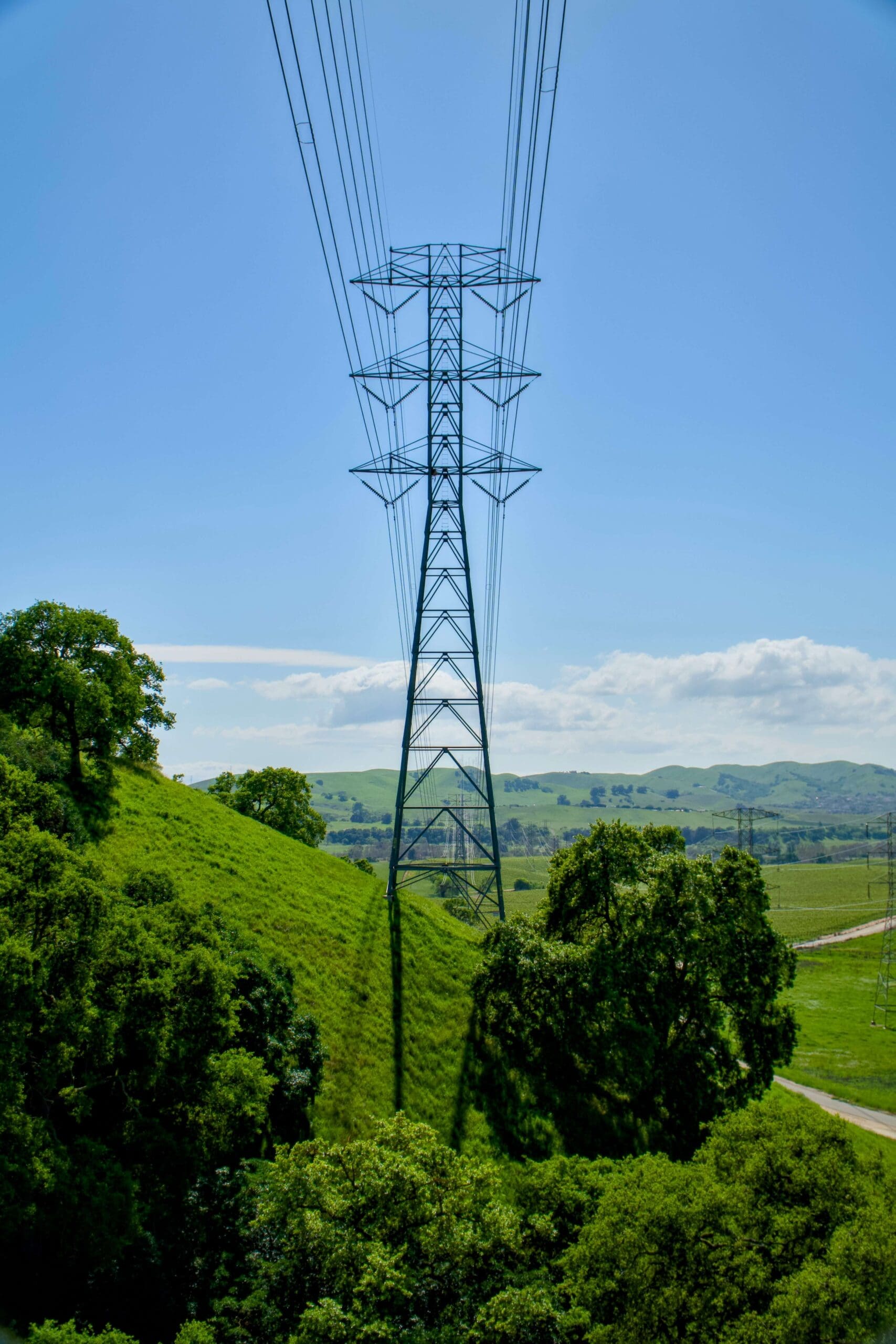
Have you ever noticed those large power lines on metal towers stretching across the countryside? Those are transmission lines. Think of them like the highways of the electrical grid. They carry high-voltage electricity over long distances, moving power from generation plants to regional substations. Since electricity needs to travel great distances efficiently, transmission lines operate at extremely high voltages to minimize energy loss.
Once electricity reaches a substation, it needs to be safely delivered to homes and businesses. That’s where distribution lines come in. Think of distribution lines like smaller neighborhood roads, guiding power directly to individual homes. These lines lower the voltage from transmission levels to safer, usable amounts for everyday appliances and lighting.
Here’s what delivery charges include:
- Transmission Charge – Pays for the upkeep of high-voltage lines that transport electricity across the province.
- Distribution Charge – Covers the cost of maintaining power lines and delivering electricity locally.
- Balancing Pool Allocation – Adjusts costs related to Alberta’s deregulated electricity market.
- Rate Riders – Temporary charges or credits that help balance unexpected electricity system costs.
- Local Access Fee (paid to the city) – A municipal charge that compensates the city for allowing electricity infrastructure on public land.
What Happens When You Switch to Solar?
Switching to solar power changes how you interact with the grid, significantly reducing several line items on your bill. Since you’re generating your own electricity, you use less utility generated energy from the grid, but some charges still apply depending on your level of grid reliance.
One of the key components added to your home when you install rooftop solar is a bi-directional meter. Unlike traditional electricity meters, which only measure the energy you consume from the grid, a bi-directional meter tracks electricity flowing in both directions—the power you draw from the grid and the excess energy your solar panels send back.
How a Bi-Directional Meter Works
When you install solar panels on your home in Alberta, your electricity system is upgraded with a bi-directional meter. This is a crucial component that tracks both energy consumption and energy production.
Traditionally, electricity meters only measured the power you draw from the grid. But with solar power, your home becomes a mini power plant, generating electricity throughout the day. Since Alberta’s net billing system requires 100% of the solar energy you produce to be discharged to the grid, your bi-directional meter plays a key role in tracking this process.
Let’s break it down:
- Solar Generation – Your panels produce electricity, but instead of using it directly, all of it is sent to the grid.
- Meter Tracking – Your bi-directional meter records the total amount of energy exported to the grid.
- Credit Accumulation – Your utility provider credits your account based on the amount of electricity you’ve contributed. These credits are equivalent to the base rate you pay for electricity on a per-kWh basis, meaning that every kWh you generate and later consume is fully offset, reducing your direct energy costs.
By installing a bi-directional meter, homeowners can track their solar production, ensure they receive fair compensation for excess energy, and maximize their savings through programs like Alberta’s Solar Club.
What You No Longer Pay For:
- Base Rate – Instead of solely purchasing electricity from your utility provider, you generate your own power with solar panels. However, since the energy you produce is sent to the grid, you receive bill credits rather than directly consuming the electricity your panels generate in real-time. These credits are equivalent to the base rate you pay for electricity on a per-kWh basis, meaning that every kWh you generate and later consume is fully offset, reducing your direct energy costs.
- Reduced Energy Costs – Particularly in the summer months, when solar production is at its peak, you’ll likely generate more electricity than you consume. This results in excess bill credits, which continue to offset your consumption costs during lower-production months. As a result, your overall electricity charges decrease because these credits help cover the cost of the electricity you do use from the grid when solar generation is lower (such as in winter or at night).
What Charges Still Appear on Your Bill:
- Transmission Charge – Even with solar, you may still be charged for high-voltage transmission infrastructure, as you will draw grid power when solar production is low (e.g., at night or on cloudy days).
- Balancing Pool Allocation – This fee remains even if you generate your own power, since it applies to all grid-connected consumers in Alberta to manage deregulated electricity market costs.
- Distribution Charges – If you stay connected to the grid, you still pay for the local infrastructure that supports electricity delivery, even if most of your power comes from solar.
While switching to solar significantly reduces your dependence on grid electricity, it does not eliminate all charges, especially if your home remains grid-connected. However, it is important to note that excess solar credits generated beyond your own electricity consumption can be applied to a variety of utility costs, reducing or even eliminating ancillary charges.
These credits can offset expenses such as transmission and distribution fees, administrative charges, and other utility costs like natural gas, water, and waste services (if billed through the same provider). This makes solar power not just an energy solution, but a strategic way to lower overall household expenses, maximizing your return on investment and keeping monthly costs predictable.
Alberta’s Solar Club: Maximizing Your Solar Savings
If your home is grid-connected, joining Alberta’s Solar Club can help you maximize your solar investment by making better use of the excess electricity your panels generate. This program is designed to give homeowners greater financial flexibility, allowing them to earn credits for surplus solar energy and apply them toward various utility costs.
Using Excess Solar Credits for More Than Just Electricity
One of the biggest perks of Alberta’s Solar Club is that surplus credits can offset more than just the base energy charge. If your electricity provider also manages other utilities, your excess solar credits can help pay for:
- Delivery charges (distribution, transmission, rate riders).
- Natural gas, water, and waste services, if those utilities are billed through the same provider.
This means homeowners who generate more solar energy than they consume can significantly reduce their overall household expenses, not just electricity costs. Instead of letting excess energy go unused, Solar Club members can apply their credits strategically, ensuring they get the most financial benefit from their solar system.
Seasonal Rate Switching: Optimizing Credits Throughout the Year
Another advantage of Solar Club membership is the ability to switch between high and low electricity rates based on seasonal production. This allows homeowners to maximize their earnings when solar generation is high and minimize costs when production is lower.
- High Rate (30¢/kWh) – Used in peak solar months (March–October) to maximize credit accumulation.
- Low Rate (8.79¢/kWh)* (as of June 2025) – Used in winter months when solar production is lower, ensuring homeowners pay less when they need to buy electricity from the grid.
By strategically switching rates, homeowners can ensure they build up the most credits possible during the sunniest months and then redeem them when production dips in winter. Solar Club members can change rates once per billing cycle at no cost, giving them full control over their energy pricing strategy.
As of June 2025, Enmax offers the following electricity rates:
- Fixed Rates:
- 1-Year Term: 8.99¢/kWh
- 3-Year Term: 8.79¢/kWh
- 5-Year Term: 9.99¢/kWh
- Variable Rate:
- Floating Rate: Indexed to the Alberta market price plus 1.99¢/kWh transaction fee
Additional Benefits of Alberta’s Solar Club
Beyond seasonal rate switching and credit application, Solar Club members enjoy several other perks:
- 3% cashback on electricity and natural gas bills.
- Charitable donation options, allowing members to support local causes with their energy savings.
- Historical solar production reports, helping homeowners track their energy generation and optimize their system.
With over 10,000 active members and more than 100 MW of distributed solar capacity, Alberta’s Solar Club is a leading program for homeowners looking to maximize their solar investment.
Making Your Utility Bill Work for You
Understanding your electricity bill is the first step toward reducing costs and making informed energy choices. Whether you’re analyzing your base rate, evaluating delivery charges, or exploring solar power, knowing where your money goes empowers you to take control of your expenses.
For homeowners looking to maximize savings, Alberta’s Solar Club offers an unmatched financial advantage. While solar primarily offsets your base electricity charges, its benefits extend far beyond that. Excess solar credits, based on energy you generate but don’t immediately consume, don’t go to waste. Instead, they apply directly to your utility bill, covering not only electricity but also:
- Transmission and distribution fees—ensuring lower overall delivery costs.
- Administration charges—reducing fixed fees tied to account management.
- Other utilities—including natural gas, water, and waste services, if they’re billed through the same provider.
This means that solar isn’t just about lowering your electricity bill, it’s about reducing your total household expenses. By leveraging excess production, homeowners can turn sunlight into real financial savings across multiple utility categories.
If you’re ready to cut costs, boost savings, and make the most of your solar investment, now is the time to explore your options: Your energy. Your bill. Your financial future. Book a free Strategy Session with GreenKey to discover your home’s solar potential and find out how much money your family could save.