blog menu

Close X

Blog Categories

Start here

Solar Makes Cents: How Rooftop Solar Can Save Canadian Families Money

read the post >

Clean Tech Investment Tax Credit: Your Shortcut to Lower Bills & Higher Profits

read the post >

Next post >

Energy Economics >

Reduce electricity bills, increase property value, and achieve strong financial returns while guarding against rising utility rates.

Emerging Energy Tech & Innovation >

Emerging Energy Tech >

Explore the latest in energy technology, smart energy management, AI optimization, and next-generation innovations.

Energy Market Insights >

Learn about macro-level industry trends, policy shifts, and energy market dynamics.

Energy Sovereignty & Independence >

Energy Sovereignty >

Reduce reliance on external and foreign energy, achieve energy stability, and gain control over your energy future. 

Close X

Blog Categories

Start here

Futuristic hyperscale data center microgrid with on-site solar arrays, wind turbines, and battery storage supplying power back to the local grid

Solar Makes Cents: How Rooftop Solar Can Save Canadian Families Money

read the post >

Futuristic hyperscale data center microgrid with on-site solar arrays, wind turbines, and battery storage supplying power back to the local grid

Clean Tech Investment Tax Credit: Your Shortcut to Lower Bills & Higher Profits

read the post >

< Prev Post

Clean Tech Investment Tax Credit: Your Shortcut to Lower Bills & Higher Profits

read the post >

Energy Economics >

Reduce electricity bills, increase property value, and achieve strong financial returns while guarding against rising utility rates.

Emerging Energy Tech & Innovation >

Emerging Energy Tech >

Explore the latest in energy technology, smart energy management, AI optimization, and next-generation innovations.

Energy Market Insights >

Learn about macro-level industry trends, policy shifts, and energy market dynamics.

Energy Sovereignty & Independence >

Energy Sovereignty >

Reduce reliance on external and foreign energy, achieve energy stability, and gain control over your energy future. 

Bring Your Own Distributed Capacity: The New Rule for Connecting to the Grid

March 28, 2026

blog menu

Close X

Blog Categories

Start here

Next post >

Solar Makes Cents: How Rooftop Solar Can Save Canadian Families Money

read the post >

Clean Tech Investment Tax Credit: Your Shortcut to Lower Bills & Higher Profits

read the post >

Energy Economics >

Reduce electricity bills, increase property value, and achieve strong financial returns while guarding against rising utility rates.

Emerging Energy Tech & Innovation >

Emerging Energy Tech >

Explore the latest in energy technology, smart energy management, AI optimization, and next-generation innovations.

Energy Market Insights >

Learn about macro-level industry trends, policy shifts, and energy market dynamics.

Energy Sovereignty & Independence >

Energy Sovereignty >

Reduce reliance on external and foreign energy, achieve energy stability, and gain control over your energy future. 

Close X

Blog Categories

Start here

< Prev Post

Futuristic hyperscale data center microgrid with on-site solar arrays, wind turbines, and battery storage supplying power back to the local grid

Solar Makes Cents: How Rooftop Solar Can Save Canadian Families Money

read the post >

Futuristic hyperscale data center microgrid with on-site solar arrays, wind turbines, and battery storage supplying power back to the local grid

Clean Tech Investment Tax Credit: Your Shortcut to Lower Bills & Higher Profits

read the post >

Clean Tech Investment Tax Credit: Your Shortcut to Lower Bills & Higher Profits

read the post >

Energy Economics >

Reduce electricity bills, increase property value, and achieve strong financial returns while guarding against rising utility rates.

Emerging Energy Tech & Innovation >

Emerging Energy Tech >

Explore the latest in energy technology, smart energy management, AI optimization, and next-generation innovations.

Energy Market Insights >

Learn about macro-level industry trends, policy shifts, and energy market dynamics.

Energy Sovereignty & Independence >

Energy Sovereignty >

Reduce reliance on external and foreign energy, achieve energy stability, and gain control over your energy future. 

At GreenKey, our mission is to help Canadian families, businesses, and municipalities spend less money on electricity, so we can dedicate our resources to the things that really matter. We make sure you get the best deal on energy by providing unbiased expert analysis and professional project consulting for residential, commercial, and utility-scale projects.

Do less. Save more. Spend money on life, not electricity.

Own your energy. Grow your green.

GreenKey Homes for families & homeowners

GreenKey Consulting for developers

GreenKey Consulting for Businesses

GreenKey Consulting for Communities

The power sector is in the middle of the largest investment cycle it has seen in decades. Utilities across North America are preparing to spend hundreds of billions, and potentially more than a trillion dollars, on new infrastructure including transmission lines, substations, power generators, and grid modernization. After years of relatively modest growth, electricity demand is suddenly accelerating again, driven by data centers, electrification, and new industrial loads.

But even with this spending spree underway, the grid is struggling to keep up.

Connecting large new electricity users, particularly hyperscale data centers, can take years because utilities must first build new transmission lines, upgrade substations, or add generation capacity. These projects are expensive, slow to permit, and increasingly difficult to site. Meanwhile, companies racing to build AI infrastructure or new manufacturing facilities often need power much faster than utilities can deliver it.

That mismatch is forcing the industry to rethink the rules for connecting large loads.

One idea gaining traction is what some have started calling “bring your own distributed capacity.” The concept borrows from a familiar social rule: if you show up to a party with a lot of friends, you should probably bring something to contribute. Applied to the grid, it means that if a large customer wants to plug in a massive new electricity demand, whether it’s a data center, factory, or industrial campus, they may need to bring some power resources with them.

Sometimes that means building dedicated generation or storage. Increasingly, however, it means funding energy efficiency upgrades, rooftop solar, batteries, and other flexible resources in the surrounding community to reduce peak demand and free up capacity on the grid.

This emerging model is starting to reshape how utilities, regulators, and large electricity users think about meeting the next wave of demand. Instead of relying solely on new centralized power plants and transmission lines, large loads could help unlock capacity that already exists within the system.

In a grid facing unprecedented growth pressures, that shift could prove essential.

Why “Bring Your Own” Is Emerging

The idea of “bring your own distributed capacity” did not emerge in a vacuum. It is a response to a rapidly intensifying grid crisis driven by exploding electricity demand, massive infrastructure constraints, and growing geopolitical volatility in global energy markets.

At the center of the challenge is load growth that utilities simply cannot keep up with. After nearly two decades of relatively flat electricity demand in the United States and moderate, steady growth in Canada, North America is entering its fastest period of load growth in decades. 

In the U.S., demand had plateaued through much of the 2010s, but surging industrial loads, data centers, and electrification are driving a rapid rebound. In Canada, steady historical growth is now accelerating due to similar forces, including electric vehicle adoption, industrial electrification, and new large-scale electricity consumers. These trends are pushing utilities to prepare for unprecedented stress on the grid, even as infrastructure upgrades struggle to keep pace.

Data centers are the clearest example of the new demand shock. Power consumption from these facilities is projected to rise 22% in 2025 alone and nearly triple by 2030, reaching more than 130 gigawatts of demand globally. In the United States, utilities now expect roughly 166 gigawatts of new peak load over the next five years, with data centers accounting for more than half of that growth. North American grid planners are increasingly tracking similarly rapid demand growth in Canada as electrification and large loads like hyperscale computing reshape long‑term electricity forecasts.

The problem is that electric infrastructure moves slowly. Building new transmission lines can take a decade. Large power plants require years of permitting, financing, and construction. Interconnection queues are already overloaded. As a result, utilities across North America are planning massive capital programs that will spend hundreds of billions on transmission upgrades and other traditional grid infrastructure.

But even that spending surge has limits. Grid expansion is capital intensive, politically difficult, and ultimately paid for by ratepayers. As utilities attempt to keep pace with new demand, regulators are increasingly wary of approving investment plans that could drive large electricity price increases. In many regions, the industry is confronting a basic reality that building enough traditional infrastructure to meet the next wave of demand may simply be too slow and too expensive.

At the same time, the global energy system is becoming more volatile. Recent geopolitical disruptions have exposed how vulnerable centralized energy systems can be to supply shocks. The ongoing conflict in the Middle East has disrupted shipping through the Strait of Hormuz, a chokepoint that normally carries roughly one-fifth of global oil and liquefied natural gas supply. The crisis has halted LNG exports from major facilities in Qatar and forced suppliers to declare force majeure on deliveries, tightening global oil and gas markets and pushing prices higher.

These disruptions highlight the fragility of energy systems that depend heavily on imported fuels. Regions that rely on LNG, such as parts of Europe and Asia, or isolated electricity systems like New England and Hawaii, are particularly exposed to price spikes when global supply chains break down. In contrast, countries that lack domestic fossil fuel resources are accelerating investments in solar, wind, batteries, and electrification as a hedge against fuel volatility.

This is the environment in which the idea of “bring your own distributed capacity” is gaining traction. If utilities cannot build new infrastructure quickly enough, and if doing so risks major rate increases, then large new electricity users may need to help create the capacity they require themselves.

What Bring Your Own Distributed Capacity Actually Means

Bring Your Own Distributed Capacity, or BYODC, is a model in which large electricity consumers fund incremental, targeted distributed energy resources to help relieve strain on the grid while also meeting their own capacity needs. These investments can take many forms, including behind-the-meter generation, demand response, or energy efficiency upgrades. The key is that these resources are verifiable and capable of providing measurable capacity headroom, helping the grid accommodate peak loads without requiring immediate, large-scale infrastructure buildouts.

In return for these contributions, participating customers often receive capacity credits, faster interconnection, priority in the interconnection queue, or other incentives that accelerate their access to power. The model can be implemented in different ways, with some programs being utility-partnered, where the utility manages the distributed resources in coordination with customers, while others involve bilateral agreements with aggregators, allowing large loads to self-procure capacity without direct utility management.

In Alberta, the push to make the province a North American hub for artificial intelligence and data‑intensive computing is already intersecting with BYODC policies. As part of its AI and data centre attraction strategy, the provincial government has amended utility laws to encourage large data‑centre developers to bring their own generation capacity to support their connection to the grid, rather than relying solely on the existing transmission system. Under the Utilities Statutes Amendment Act, 2025, data centres that develop or contract for their own power generation are prioritized in the connection process, and the costs of associated transmission upgrades are placed on the project proponents rather than on Alberta ratepayers.

It’s important to note that BYODC is not a full replacement for traditional utility upgrades. Instead, it acts as a bridge to utility investments, providing localized relief in constrained areas near high-demand loads, such as data centers or industrial campuses. Economically, these programs are often far more cost-effective than building new generation or transmission, with some analyses citing costs as low as $33 per kilowatt-year, compared with several times that for traditional infrastructure projects.

Real-World Potential and Numbers

Distributed, customer-driven capacity programs show significant potential to relieve grid stress while delivering tangible benefits to both utilities and communities. Peak load reduction estimates illustrate the scale of impact. A Brattle Group study of a typical Midwestern utility found that targeted distributed upgrades, ranging from demand response to behind-the-meter storage, could reduce seasonal peaks by up to 18%, a meaningful margin that rivals the output of new centralized generation. 

More aggressively, analyses by Rewiring America suggest that coordinated residential upgrades, including rooftop solar, storage, and smart appliances, could theoretically offset 100% of projected data center load growth, demonstrating that large industrial loads and household capacity are highly complementary in peak management.

The benefits extend beyond system-level reliability. For residential and low-income customers, BYODC-style interventions can translate into $700–$1,000 per year in energy bill savings, effectively lowering energy burdens while turning traditionally high-load, high-demand facilities like data centers into community-aligned assets. Programs that channel data center demand into distributed capacity not only free up grid resources but also create shared value for the surrounding population.

Practical deployments already exist. The Google-Xcel Minnesota deal illustrates a hybrid approach: large data centers paired with utility-managed distributed upgrades through the Capacity Connect platform, integrating both grid-scale generation and behind-the-meter assets. Emerging virtual power plant (VPP) models are extending this potential, with examples including Carrier air-conditioning units with integrated batteries and residential Tesla Powerwalls aggregated to provide grid services, demonstrating that even small-scale distributed assets can collectively deliver substantial capacity.

Broader energy trends reinforce the strategic value of BYODC. Many coal and gas plants built to meet traditional load growth are now underutilized, while self-built or self-contracted data center capacity represents “free” peaking headroom that can be leveraged without additional utility investment. When coordinated effectively, distributed, customer-sourced capacity not only mitigates peak stress but also reduces the need for expensive new infrastructure, supporting a more resilient, cost-effective, and equitable electricity system.

Challenges, Criticisms, and the Path Forward

For all its promise, BYODC faces a set of real and non-trivial barriers. But rather than being primarily technical, these challenges are institutional, regulatory, and political.

Utility Resistance and Institutional Inertia

Many utilities are still anchored in traditional planning frameworks, particularly Integrated Resource Planning (IRP) processes that prioritize large, centralized capital investments. The utility business model has long been built around rate-based infrastructure; generation, transmission, and distribution assets that earn a regulated return.

BYODC, by contrast, often relies on distributed, third-party, or customer-funded resources, which can fall outside that traditional model. As a result, even when distributed capacity is cheaper or faster, utilities may default to familiar approaches: building new infrastructure rather than optimizing what already exists. Changing this mindset, from viewing demand-side resources as compliance tools to treating them as core system assets, remains a major hurdle.

Regulatory Hurdles and Proof Requirements

Regulators play a critical gatekeeping role, and many are still evaluating how to treat BYODC-like models. Key questions include:

  • How is distributed capacity measured and verified?
  • Who pays, and who benefits?
  • How should these resources be incorporated into planning and rate structures?

The result is uneven progress. Some jurisdictions are moving forward, such as Minnesota, which has supported innovative programs like Xcel Energy’s Capacity Connect, backed in part by large customers like Google. Others are more cautious. In Ohio, regulators recently rejected a proposal from large customers including Amazon, Google, and Microsoft for customized connection terms and tariffs for data centers. Instead, they approved a stricter rate structure requiring those customers to cover at least 85% of their subscribed capacity costs after reviewing evidence on infrastructure needs and protections for other ratepayers.

This divergence highlights a broader issue that regulatory comfort often lags behind technological and market innovation.

Political Dynamics and the Need for a New Narrative

At the same time, the political environment around energy is shifting. The clean energy industry, which historically favored quiet coalition-building, is becoming more confrontational. In recent cases, industry-backed political action committees have begun actively targeting policymakers who oppose clean energy incentives, signaling a move from defense to offense.

But beyond tactics, there is a deeper challenge: the lack of a clear, unifying narrative. Previous eras of energy policy were shaped by simple frameworks, such as renewable portfolio standards, decarbonization targets, or energy independence.

BYODC and related ideas fall under a newer, less clearly defined concept: grid utilization (getting more out of the infrastructure we already have). This includes distributed capacity, virtual power plants, and grid-enhancing technologies. However, this narrative is still emerging, and without it, policy and market adoption may remain fragmented.

Alignment Challenges: Communities, Enviros, and Data Centers

There are also tensions within the broader coalition needed to make BYODC work.

  • Some environmental groups are skeptical of data center-driven load growth, viewing it as counterproductive or aligned with unchecked consumption.
  • Others, particularly in environmental justice communities, see opportunity: jobs, local investment, and access to clean energy technologies.
  • Meanwhile, many communities are increasingly resistant to data centers, concerned about rising electricity prices and local impacts.

This creates a fragmented landscape where BYODC must build trust and deliver visible community benefits.

The Path Forward: Coordination and Clarity

Overcoming these challenges will require a coordinated, multi-pronged approach.

1. Multi-Stakeholder Collaboration

Successful BYODC programs will depend on alignment between:

  • Utilities
  • Regulators
  • Hyperscalers and large customers
  • Technology providers and aggregators
  • Consumer and environmental advocates

No single actor can drive this transformation alone.

2. Transparent Grid Utilization Frameworks

Policymakers and regulators need better tools and data to understand:

  • Where the grid is constrained
  • How much capacity can be unlocked
  • What distributed resources can reliably deliver

Clear, transparent grid utilization metrics will be essential to scaling these programs.

3. Investment in Education and Research

There is a significant need for:

  • Independent analysis
  • Pilot programs
  • Knowledge-sharing across jurisdictions

Industry groups, research organizations, and public-interest advocates all have a role to play in building the evidence base needed to support regulatory approval and broader adoption.

A Bridge to a More Resilient, Affordable Grid

BYODC sits at the intersection of urgency and opportunity. In the near term, it offers a practical bridge, delivering speed-to-power for large loads like data centers while utilities work through the slower process of building new infrastructure. By unlocking capacity from distributed resources, BYODC can relieve immediate grid constraints without forcing costly and time-consuming upgrades.

But its potential extends beyond a stopgap solution. Over time, BYODC could become a permanent feature of the modern grid; a more targeted, flexible approach to capacity that complements traditional infrastructure. Instead of relying solely on centralized generation and transmission, the grid can evolve into a more distributed, resilient system, where capacity is created closer to where it is needed and deployed with greater precision.

In an era defined by rapid load growth, rising costs, and geopolitical uncertainty, this model flips the script. Large electricity users, once seen primarily as a burden on the system, can become active contributors to grid stability. Communities, in turn, gain tangible benefits through lower energy bills, upgraded homes, and improved resilience. And clean, distributed technologies like solar, storage, and smart devices can scale faster, not just as climate solutions, but as core infrastructure for reliability and affordability.

The path forward will require momentum. Expect to see more pilot programs, deeper regulatory engagement and education, and new coalitions forming around the idea of grid utilization that maximizes the infrastructure we already have. If those pieces come together, BYODC could move quickly from a niche concept to a foundational strategy for powering the next phase of North America’s energy transition.
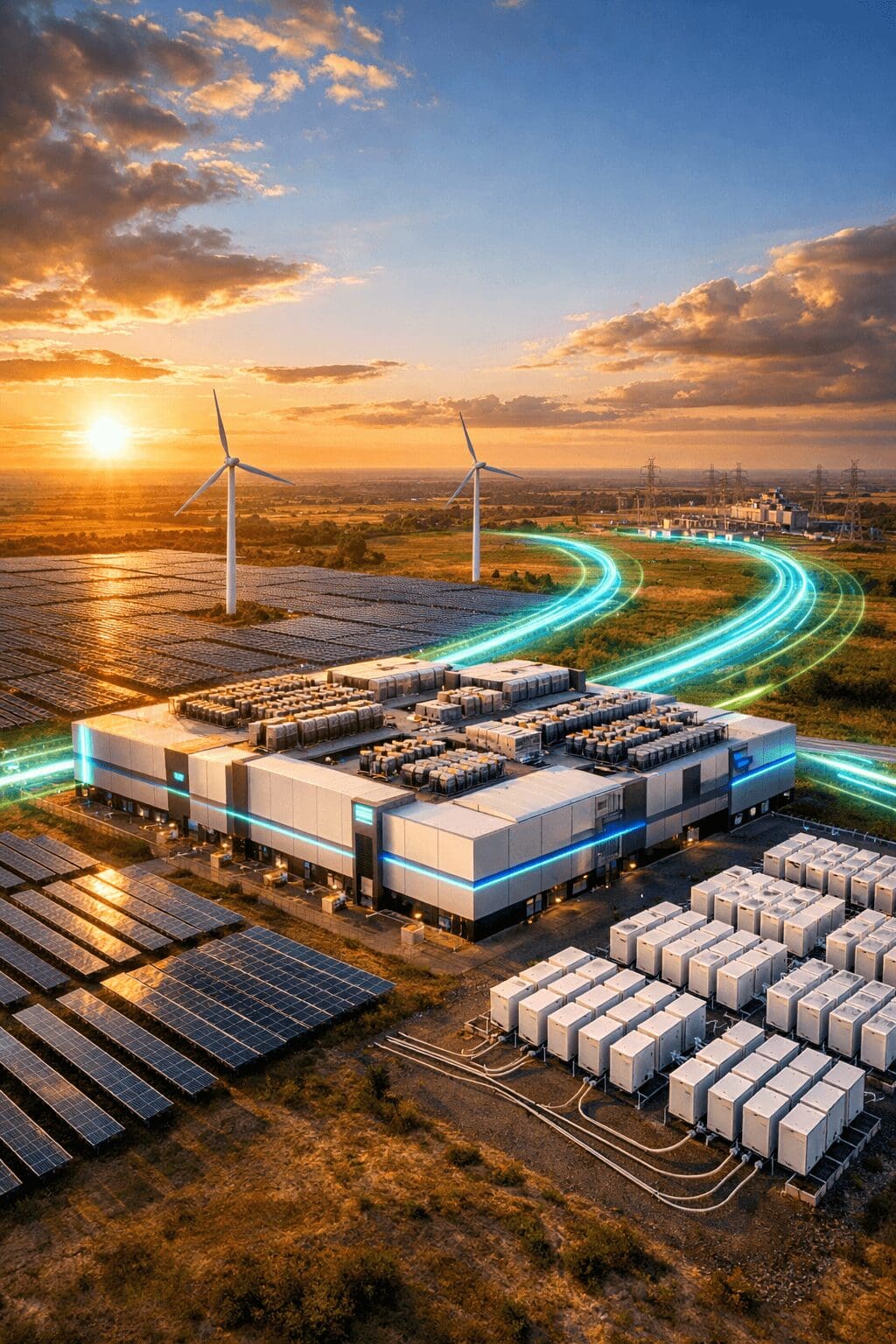
Futuristic hyperscale data center microgrid with on-site solar arrays, wind turbines, and battery storage supplying power back to the local grid

Based in Calgary, Alberta and Proudly Canadian • Don’t Get Burned When You Get Solar • Based in Calgary, Alberta and Proudly Canadian • Don’t Get Burned When You Get Solar • Based in Calgary, Alberta and Proudly Canadian • Don’t Get Burned When You Get Solar • Based in Calgary, Alberta and Proudly Canadian • Don’t Get Burned When You Get Solar • Based in Calgary, Alberta and Proudly Canadian • Don’t Get Burned When You Get Solar • Based in Calgary, Alberta and Proudly Canadian • Don’t Get Burned When You Get Solar • Based in Calgary, Alberta and Proudly Canadian • Don’t Get Burned When You Get Solar • Based in Calgary, Alberta and Proudly Canadian • Don’t Get Burned When You Get Solar • Based in Calgary, Alberta and Proudly Canadian • Don’t Get Burned When You Get Solar • Based in Calgary, Alberta and Proudly Canadian • Don’t Get Burned When You Get Solar • Based in Calgary, Alberta and Proudly Canadian • Don’t Get Burned When You Get Solar • Based in Calgary, Alberta and Proudly Canadian • Don’t Get Burned When You Get Solar •    

Based in Calgary, Alberta and Proudly Canadian • Don’t Get Burned When You Get Solar • Based in Calgary, Alberta and Proudly Canadian • Don’t Get Burned When You Get Solar • Based in Calgary, Alberta and Proudly Canadian • Don’t Get Burned When You Get Solar • Based in Calgary, Alberta and Proudly Canadian • Don’t Get Burned When You Get Solar • Based in Calgary, Alberta and Proudly Canadian • Don’t Get Burned When You Get Solar • Based in Calgary, Alberta and Proudly Canadian • Don’t Get Burned When You Get Solar • Based in Calgary, Alberta and Proudly Canadian • Don’t Get Burned When You Get Solar • Based in Calgary, Alberta and Proudly Canadian • Don’t Get Burned When You Get Solar • Based in Calgary, Alberta and Proudly Canadian • Don’t Get Burned When You Get Solar • Based in Calgary, Alberta and Proudly Canadian • Don’t Get Burned When You Get Solar • Based in Calgary, Alberta and Proudly Canadian • Don’t Get Burned When You Get Solar • Based in Calgary, Alberta and Proudly Canadian • Don’t Get Burned When You Get Solar •    

Based in Calgary, Alberta and Proudly Canadian • Don’t Get Burned When You Get Solar • Based in Calgary, Alberta and Proudly Canadian • Don’t Get Burned When You Get Solar • Based in Calgary, Alberta and Proudly Canadian • Don’t Get Burned When You Get Solar • Based in Calgary, Alberta and Proudly Canadian • Don’t Get Burned When You Get Solar • Based in Calgary, Alberta and Proudly Canadian • Don’t Get Burned When You Get Solar • Based in Calgary, Alberta and Proudly Canadian • Don’t Get Burned When You Get Solar • Based in Calgary, Alberta and Proudly Canadian • Don’t Get Burned When You Get Solar • Based in Calgary, Alberta and Proudly Canadian • Don’t Get Burned When You Get Solar • Based in Calgary, Alberta and Proudly Canadian • Don’t Get Burned When You Get Solar • Based in Calgary, Alberta and Proudly Canadian • Don’t Get Burned When You Get Solar • Based in Calgary, Alberta and Proudly Canadian • Don’t Get Burned When You Get Solar • Based in Calgary, Alberta and Proudly Canadian • Don’t Get Burned When You Get Solar •    

Based in Calgary, Alberta and Proudly Canadian • Don’t Get Burned When You Get Solar • Based in Calgary, Alberta and Proudly Canadian • Don’t Get Burned When You Get Solar • Based in Calgary, Alberta and Proudly Canadian • Don’t Get Burned When You Get Solar • Based in Calgary, Alberta and Proudly Canadian • Don’t Get Burned When You Get Solar • Based in Calgary, Alberta and Proudly Canadian • Don’t Get Burned When You Get Solar • Based in Calgary, Alberta and Proudly Canadian • Don’t Get Burned When You Get Solar • Based in Calgary, Alberta and Proudly Canadian • Don’t Get Burned When You Get Solar • Based in Calgary, Alberta and Proudly Canadian • Don’t Get Burned When You Get Solar • Based in Calgary, Alberta and Proudly Canadian • Don’t Get Burned When You Get Solar • Based in Calgary, Alberta and Proudly Canadian • Don’t Get Burned When You Get Solar • Based in Calgary, Alberta and Proudly Canadian • Don’t Get Burned When You Get Solar • Based in Calgary, Alberta and Proudly Canadian • Don’t Get Burned When You Get Solar •    

Based in Calgary, Alberta and Proudly Canadian • Don’t Get Burned When You Get Solar • Based in Calgary, Alberta and Proudly Canadian • Don’t Get Burned When You Get Solar • Based in Calgary, Alberta and Proudly Canadian • Don’t Get Burned When You Get Solar • Based in Calgary, Alberta and Proudly Canadian • Don’t Get Burned When You Get Solar • Based in Calgary, Alberta and Proudly Canadian • Don’t Get Burned When You Get Solar • Based in Calgary, Alberta and Proudly Canadian • Don’t Get Burned When You Get Solar • Based in Calgary, Alberta and Proudly Canadian • Don’t Get Burned When You Get Solar • Based in Calgary, Alberta and Proudly Canadian • Don’t Get Burned When You Get Solar • Based in Calgary, Alberta and Proudly Canadian • Don’t Get Burned When You Get Solar • Based in Calgary, Alberta and Proudly Canadian • Don’t Get Burned When You Get Solar • Based in Calgary, Alberta and Proudly Canadian • Don’t Get Burned When You Get Solar • Based in Calgary, Alberta and Proudly Canadian • Don’t Get Burned When You Get Solar •    

Based in Calgary, Alberta and Proudly Canadian • Don’t Get Burned When You Get Solar • Based in Calgary, Alberta and Proudly Canadian • Don’t Get Burned When You Get Solar • Based in Calgary, Alberta and Proudly Canadian • Don’t Get Burned When You Get Solar • Based in Calgary, Alberta and Proudly Canadian • Don’t Get Burned When You Get Solar • Based in Calgary, Alberta and Proudly Canadian • Don’t Get Burned When You Get Solar • Based in Calgary, Alberta and Proudly Canadian • Don’t Get Burned When You Get Solar • Based in Calgary, Alberta and Proudly Canadian • Don’t Get Burned When You Get Solar • Based in Calgary, Alberta and Proudly Canadian • Don’t Get Burned When You Get Solar • Based in Calgary, Alberta and Proudly Canadian • Don’t Get Burned When You Get Solar • Based in Calgary, Alberta and Proudly Canadian • Don’t Get Burned When You Get Solar • Based in Calgary, Alberta and Proudly Canadian • Don’t Get Burned When You Get Solar • Based in Calgary, Alberta and Proudly Canadian • Don’t Get Burned When You Get Solar •    

Based in Calgary, Alberta and Proudly Canadian • Don’t Get Burned When You Get Solar • Based in Calgary, Alberta and Proudly Canadian • Don’t Get Burned When You Get Solar • Based in Calgary, Alberta and Proudly Canadian • Don’t Get Burned When You Get Solar • Based in Calgary, Alberta and Proudly Canadian • Don’t Get Burned When You Get Solar • Based in Calgary, Alberta and Proudly Canadian • Don’t Get Burned When You Get Solar • Based in Calgary, Alberta and Proudly Canadian • Don’t Get Burned When You Get Solar • Based in Calgary, Alberta and Proudly Canadian • Don’t Get Burned When You Get Solar • Based in Calgary, Alberta and Proudly Canadian • Don’t Get Burned When You Get Solar • Based in Calgary, Alberta and Proudly Canadian • Don’t Get Burned When You Get Solar • Based in Calgary, Alberta and Proudly Canadian • Don’t Get Burned When You Get Solar • Based in Calgary, Alberta and Proudly Canadian • Don’t Get Burned When You Get Solar • Based in Calgary, Alberta and Proudly Canadian • Don’t Get Burned When You Get Solar •    

Based in Calgary, Alberta and Proudly Canadian • Don’t Get Burned When You Get Solar • Based in Calgary, Alberta and Proudly Canadian • Don’t Get Burned When You Get Solar • Based in Calgary, Alberta and Proudly Canadian • Don’t Get Burned When You Get Solar • Based in Calgary, Alberta and Proudly Canadian • Don’t Get Burned When You Get Solar • Based in Calgary, Alberta and Proudly Canadian • Don’t Get Burned When You Get Solar • Based in Calgary, Alberta and Proudly Canadian • Don’t Get Burned When You Get Solar • Based in Calgary, Alberta and Proudly Canadian • Don’t Get Burned When You Get Solar • Based in Calgary, Alberta and Proudly Canadian • Don’t Get Burned When You Get Solar • Based in Calgary, Alberta and Proudly Canadian • Don’t Get Burned When You Get Solar • Based in Calgary, Alberta and Proudly Canadian • Don’t Get Burned When You Get Solar • Based in Calgary, Alberta and Proudly Canadian • Don’t Get Burned When You Get Solar • Based in Calgary, Alberta and Proudly Canadian • Don’t Get Burned When You Get Solar •    

Based in Calgary, Alberta and Proudly Canadian • Don’t Get Burned When You Get Solar • Based in Calgary, Alberta and Proudly Canadian • Don’t Get Burned When You Get Solar • Based in Calgary, Alberta and Proudly Canadian • Don’t Get Burned When You Get Solar • Based in Calgary, Alberta and Proudly Canadian • Don’t Get Burned When You Get Solar • Based in Calgary, Alberta and Proudly Canadian • Don’t Get Burned When You Get Solar • Based in Calgary, Alberta and Proudly Canadian • Don’t Get Burned When You Get Solar • Based in Calgary, Alberta and Proudly Canadian • Don’t Get Burned When You Get Solar • Based in Calgary, Alberta and Proudly Canadian • Don’t Get Burned When You Get Solar • Based in Calgary, Alberta and Proudly Canadian • Don’t Get Burned When You Get Solar • Based in Calgary, Alberta and Proudly Canadian • Don’t Get Burned When You Get Solar • Based in Calgary, Alberta and Proudly Canadian • Don’t Get Burned When You Get Solar • Based in Calgary, Alberta and Proudly Canadian • Don’t Get Burned When You Get Solar •    

Based in Calgary, Alberta and Proudly Canadian • Don’t Get Burned When You Get Solar • Based in Calgary, Alberta and Proudly Canadian • Don’t Get Burned When You Get Solar • Based in Calgary, Alberta and Proudly Canadian • Don’t Get Burned When You Get Solar • Based in Calgary, Alberta and Proudly Canadian • Don’t Get Burned When You Get Solar • Based in Calgary, Alberta and Proudly Canadian • Don’t Get Burned When You Get Solar • Based in Calgary, Alberta and Proudly Canadian • Don’t Get Burned When You Get Solar • Based in Calgary, Alberta and Proudly Canadian • Don’t Get Burned When You Get Solar • Based in Calgary, Alberta and Proudly Canadian • Don’t Get Burned When You Get Solar • Based in Calgary, Alberta and Proudly Canadian • Don’t Get Burned When You Get Solar • Based in Calgary, Alberta and Proudly Canadian • Don’t Get Burned When You Get Solar • Based in Calgary, Alberta and Proudly Canadian • Don’t Get Burned When You Get Solar • Based in Calgary, Alberta and Proudly Canadian • Don’t Get Burned When You Get Solar •    

Feel secure when you switch to
solar.

When You Work with greenkey

you get:

A no-pressure analysis of your home's solar potential.

A free strategy session to help you decide if GreenKey is right for you.

A dedicated, knowledgeable Project Consultant with industry experience.

A robust current and future energy needs assessment.

Quotes from our network of trusted, licensed contractors.

An expert analysis of your quotes, using GreenKey's proprietary modeling tool.

A full side-by-side comparison chart with normalized data.

An expert recommendation based on your longterm needs and goals.

A live session with your Project Consultant to discuss financing options.

An information session to help you understand how Solar Club works.

Based in Calgary, Alberta and Proudly Canadian • Don’t Get Burned When You Get Solar • Based in Calgary, Alberta and Proudly Canadian • Don’t Get Burned When You Get Solar • Based in Calgary, Alberta and Proudly Canadian • Don’t Get Burned When You Get Solar • Based in Calgary, Alberta and Proudly Canadian • Don’t Get Burned When You Get Solar • Based in Calgary, Alberta and Proudly Canadian • Don’t Get Burned When You Get Solar • Based in Calgary, Alberta and Proudly Canadian • Don’t Get Burned When You Get Solar • Based in Calgary, Alberta and Proudly Canadian • Don’t Get Burned When You Get Solar • Based in Calgary, Alberta and Proudly Canadian • Don’t Get Burned When You Get Solar • Based in Calgary, Alberta and Proudly Canadian • Don’t Get Burned When You Get Solar • Based in Calgary, Alberta and Proudly Canadian • Don’t Get Burned When You Get Solar • Based in Calgary, Alberta and Proudly Canadian • Don’t Get Burned When You Get Solar • Based in Calgary, Alberta and Proudly Canadian • Don’t Get Burned When You Get Solar •    

Based in Calgary, Alberta and Proudly Canadian • Don’t Get Burned When You Get Solar • Based in Calgary, Alberta and Proudly Canadian • Don’t Get Burned When You Get Solar • Based in Calgary, Alberta and Proudly Canadian • Don’t Get Burned When You Get Solar • Based in Calgary, Alberta and Proudly Canadian • Don’t Get Burned When You Get Solar • Based in Calgary, Alberta and Proudly Canadian • Don’t Get Burned When You Get Solar • Based in Calgary, Alberta and Proudly Canadian • Don’t Get Burned When You Get Solar • Based in Calgary, Alberta and Proudly Canadian • Don’t Get Burned When You Get Solar • Based in Calgary, Alberta and Proudly Canadian • Don’t Get Burned When You Get Solar • Based in Calgary, Alberta and Proudly Canadian • Don’t Get Burned When You Get Solar • Based in Calgary, Alberta and Proudly Canadian • Don’t Get Burned When You Get Solar • Based in Calgary, Alberta and Proudly Canadian • Don’t Get Burned When You Get Solar • Based in Calgary, Alberta and Proudly Canadian • Don’t Get Burned When You Get Solar •    

Based in Calgary, Alberta and Proudly Canadian • Don’t Get Burned When You Get Solar • Based in Calgary, Alberta and Proudly Canadian • Don’t Get Burned When You Get Solar • Based in Calgary, Alberta and Proudly Canadian • Don’t Get Burned When You Get Solar • Based in Calgary, Alberta and Proudly Canadian • Don’t Get Burned When You Get Solar • Based in Calgary, Alberta and Proudly Canadian • Don’t Get Burned When You Get Solar • Based in Calgary, Alberta and Proudly Canadian • Don’t Get Burned When You Get Solar • Based in Calgary, Alberta and Proudly Canadian • Don’t Get Burned When You Get Solar • Based in Calgary, Alberta and Proudly Canadian • Don’t Get Burned When You Get Solar • Based in Calgary, Alberta and Proudly Canadian • Don’t Get Burned When You Get Solar • Based in Calgary, Alberta and Proudly Canadian • Don’t Get Burned When You Get Solar • Based in Calgary, Alberta and Proudly Canadian • Don’t Get Burned When You Get Solar • Based in Calgary, Alberta and Proudly Canadian • Don’t Get Burned When You Get Solar •    

Based in Calgary, Alberta and Proudly Canadian • Don’t Get Burned When You Get Solar • Based in Calgary, Alberta and Proudly Canadian • Don’t Get Burned When You Get Solar • Based in Calgary, Alberta and Proudly Canadian • Don’t Get Burned When You Get Solar • Based in Calgary, Alberta and Proudly Canadian • Don’t Get Burned When You Get Solar • Based in Calgary, Alberta and Proudly Canadian • Don’t Get Burned When You Get Solar • Based in Calgary, Alberta and Proudly Canadian • Don’t Get Burned When You Get Solar • Based in Calgary, Alberta and Proudly Canadian • Don’t Get Burned When You Get Solar • Based in Calgary, Alberta and Proudly Canadian • Don’t Get Burned When You Get Solar • Based in Calgary, Alberta and Proudly Canadian • Don’t Get Burned When You Get Solar • Based in Calgary, Alberta and Proudly Canadian • Don’t Get Burned When You Get Solar • Based in Calgary, Alberta and Proudly Canadian • Don’t Get Burned When You Get Solar • Based in Calgary, Alberta and Proudly Canadian • Don’t Get Burned When You Get Solar •    

Based in Calgary, Alberta and Proudly Canadian • Don’t Get Burned When You Get Solar • Based in Calgary, Alberta and Proudly Canadian • Don’t Get Burned When You Get Solar • Based in Calgary, Alberta and Proudly Canadian • Don’t Get Burned When You Get Solar • Based in Calgary, Alberta and Proudly Canadian • Don’t Get Burned When You Get Solar • Based in Calgary, Alberta and Proudly Canadian • Don’t Get Burned When You Get Solar • Based in Calgary, Alberta and Proudly Canadian • Don’t Get Burned When You Get Solar • Based in Calgary, Alberta and Proudly Canadian • Don’t Get Burned When You Get Solar • Based in Calgary, Alberta and Proudly Canadian • Don’t Get Burned When You Get Solar • Based in Calgary, Alberta and Proudly Canadian • Don’t Get Burned When You Get Solar • Based in Calgary, Alberta and Proudly Canadian • Don’t Get Burned When You Get Solar • Based in Calgary, Alberta and Proudly Canadian • Don’t Get Burned When You Get Solar • Based in Calgary, Alberta and Proudly Canadian • Don’t Get Burned When You Get Solar •    

Based in Calgary, Alberta and Proudly Canadian • Don’t Get Burned When You Get Solar • Based in Calgary, Alberta and Proudly Canadian • Don’t Get Burned When You Get Solar • Based in Calgary, Alberta and Proudly Canadian • Don’t Get Burned When You Get Solar • Based in Calgary, Alberta and Proudly Canadian • Don’t Get Burned When You Get Solar • Based in Calgary, Alberta and Proudly Canadian • Don’t Get Burned When You Get Solar • Based in Calgary, Alberta and Proudly Canadian • Don’t Get Burned When You Get Solar • Based in Calgary, Alberta and Proudly Canadian • Don’t Get Burned When You Get Solar • Based in Calgary, Alberta and Proudly Canadian • Don’t Get Burned When You Get Solar • Based in Calgary, Alberta and Proudly Canadian • Don’t Get Burned When You Get Solar • Based in Calgary, Alberta and Proudly Canadian • Don’t Get Burned When You Get Solar • Based in Calgary, Alberta and Proudly Canadian • Don’t Get Burned When You Get Solar • Based in Calgary, Alberta and Proudly Canadian • Don’t Get Burned When You Get Solar •    

Based in Calgary, Alberta and Proudly Canadian • Don’t Get Burned When You Get Solar • Based in Calgary, Alberta and Proudly Canadian • Don’t Get Burned When You Get Solar • Based in Calgary, Alberta and Proudly Canadian • Don’t Get Burned When You Get Solar • Based in Calgary, Alberta and Proudly Canadian • Don’t Get Burned When You Get Solar • Based in Calgary, Alberta and Proudly Canadian • Don’t Get Burned When You Get Solar • Based in Calgary, Alberta and Proudly Canadian • Don’t Get Burned When You Get Solar • Based in Calgary, Alberta and Proudly Canadian • Don’t Get Burned When You Get Solar • Based in Calgary, Alberta and Proudly Canadian • Don’t Get Burned When You Get Solar • Based in Calgary, Alberta and Proudly Canadian • Don’t Get Burned When You Get Solar • Based in Calgary, Alberta and Proudly Canadian • Don’t Get Burned When You Get Solar • Based in Calgary, Alberta and Proudly Canadian • Don’t Get Burned When You Get Solar • Based in Calgary, Alberta and Proudly Canadian • Don’t Get Burned When You Get Solar •    

Based in Calgary, Alberta and Proudly Canadian • Don’t Get Burned When You Get Solar • Based in Calgary, Alberta and Proudly Canadian • Don’t Get Burned When You Get Solar • Based in Calgary, Alberta and Proudly Canadian • Don’t Get Burned When You Get Solar • Based in Calgary, Alberta and Proudly Canadian • Don’t Get Burned When You Get Solar • Based in Calgary, Alberta and Proudly Canadian • Don’t Get Burned When You Get Solar • Based in Calgary, Alberta and Proudly Canadian • Don’t Get Burned When You Get Solar • Based in Calgary, Alberta and Proudly Canadian • Don’t Get Burned When You Get Solar • Based in Calgary, Alberta and Proudly Canadian • Don’t Get Burned When You Get Solar • Based in Calgary, Alberta and Proudly Canadian • Don’t Get Burned When You Get Solar • Based in Calgary, Alberta and Proudly Canadian • Don’t Get Burned When You Get Solar • Based in Calgary, Alberta and Proudly Canadian • Don’t Get Burned When You Get Solar • Based in Calgary, Alberta and Proudly Canadian • Don’t Get Burned When You Get Solar •    

Based in Calgary, Alberta and Proudly Canadian • Don’t Get Burned When You Get Solar • Based in Calgary, Alberta and Proudly Canadian • Don’t Get Burned When You Get Solar • Based in Calgary, Alberta and Proudly Canadian • Don’t Get Burned When You Get Solar • Based in Calgary, Alberta and Proudly Canadian • Don’t Get Burned When You Get Solar • Based in Calgary, Alberta and Proudly Canadian • Don’t Get Burned When You Get Solar • Based in Calgary, Alberta and Proudly Canadian • Don’t Get Burned When You Get Solar • Based in Calgary, Alberta and Proudly Canadian • Don’t Get Burned When You Get Solar • Based in Calgary, Alberta and Proudly Canadian • Don’t Get Burned When You Get Solar • Based in Calgary, Alberta and Proudly Canadian • Don’t Get Burned When You Get Solar • Based in Calgary, Alberta and Proudly Canadian • Don’t Get Burned When You Get Solar • Based in Calgary, Alberta and Proudly Canadian • Don’t Get Burned When You Get Solar • Based in Calgary, Alberta and Proudly Canadian • Don’t Get Burned When You Get Solar •    

Based in Calgary, Alberta and Proudly Canadian • Don’t Get Burned When You Get Solar • Based in Calgary, Alberta and Proudly Canadian • Don’t Get Burned When You Get Solar • Based in Calgary, Alberta and Proudly Canadian • Don’t Get Burned When You Get Solar • Based in Calgary, Alberta and Proudly Canadian • Don’t Get Burned When You Get Solar • Based in Calgary, Alberta and Proudly Canadian • Don’t Get Burned When You Get Solar • Based in Calgary, Alberta and Proudly Canadian • Don’t Get Burned When You Get Solar • Based in Calgary, Alberta and Proudly Canadian • Don’t Get Burned When You Get Solar • Based in Calgary, Alberta and Proudly Canadian • Don’t Get Burned When You Get Solar • Based in Calgary, Alberta and Proudly Canadian • Don’t Get Burned When You Get Solar • Based in Calgary, Alberta and Proudly Canadian • Don’t Get Burned When You Get Solar • Based in Calgary, Alberta and Proudly Canadian • Don’t Get Burned When You Get Solar • Based in Calgary, Alberta and Proudly Canadian • Don’t Get Burned When You Get Solar •    

introducing Our ceo & co-founder

Luke Killam

Our CEO, Luke Killam, is a respected senior energy professional with over 20 years of global experience in operations, strategy, and renewable development. Drawing on his industry expertise and analytical mindset, Luke and his team help homeowners, real estate developers, businesses, communities, and governments save money and create a secure energy future. With a background in business statistics and a global executive MBA from TRIUM (NYU Stern, London School of Economics, and HEC Paris), Luke is committed to helping Canadians own their energy and grow their green.

spend money
on life

not electricity

here at greenkey, we have one simple goal:

help canadian families spend less money on electricity.

yep, that's right; we get that there's a lot to worry about in the world, but...

We're here because we want
your family to have the money you need
to live your best lives.

We're here because we want your family
to have the
money you need to
live your best lives.

and we just have one question for you:

do you think electricity
prices are                 going to:

do you think electricity prices are


 going to:

so we just have one question for you:

Go down

most likely

Electricity prices are going to go down.

Unlikely

While it’s great to hope for lower costs, national energy demands are rising, and infrastructure upgrades are needed to support increasing populations. Temporary dips may happen, but significant, long-term reductions are unlikely without substantial changes in technology or government policy to drive down production costs.


Electricity prices are going to stay about the same.

Unlikely

Electricity prices might seem stable in the short term, but underlying factors—like inflation, infrastructure maintenance, and new technology—make it unlikely that they'll remain unchanged for long. Even if prices hold steady for a while, long-term projections suggest gradual increases to the price of electricity due to rising populations and demand.

Electricity prices are going to go up.

Most likely

Electricity prices are expected to rise due to inflation and the costs associated with increasing populations and demand. Infrastructure upgrades, carbon pricing, and geopolitical factors are also likely to contribute to higher costs. Securing energy independence for your family could help buffer you from rising electricity costs in the future.

X go back

Here's how we're different

We don't accept kickbacks.

We give you full access to your data.

We provide ongoing support.

learn about our approach

plan for your future.book your free strategy session today.

Own your energy. grow your green.